+86-311-69068824
-
-
-
+86 18103313441 +86 18103318441
+86-311-69068824
+86 18103313441 +86 18103318441
CAS NO.
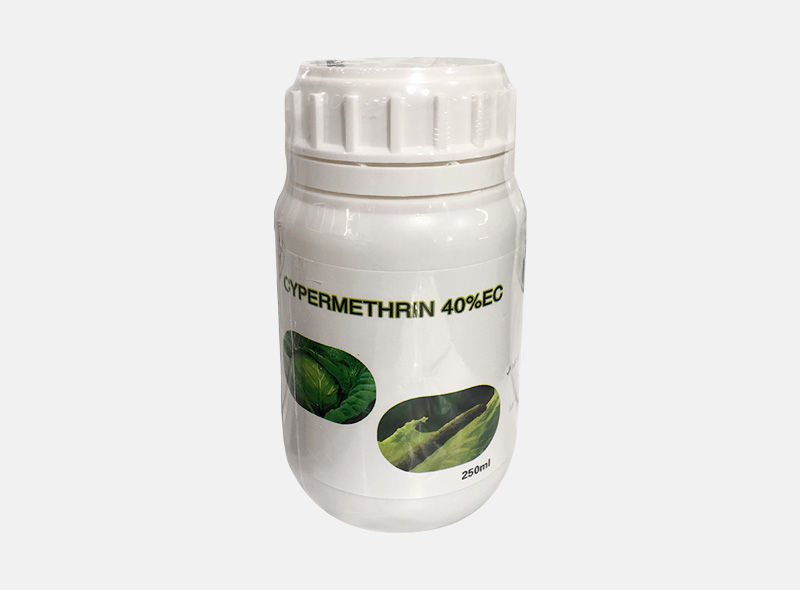
Specifications:DALU Biotech Cypermethrin 10%EC,10%WP,20%EC,25%EC,40%EC
| Product Name | Cypermethrin |
| CAS Number | 52315-07-8 |
| Molecular Formula | C22H19Cl2NO3 |
| Brand Name | DALU Biotech |
| Formulations | 5%EC,10%EC,10%WP,20%EC,25%EC,40%EC |
| Label and package | Customized |
DALU Biotech Cypermethrin is a broad-spectrum pyrethroid insecticide widely used in agriculture, horticulture, animal husbandry, and public health to control various chewing and piercing-sucking pests. As a synthetic pyrethroid, it is more stable and longer-lasting than natural pyrethroids, and is more resistant to light, heat, and air.
| Product Name | Cypermethrin |
| CAS Number | 52315-07-8 |
| Molecular Formula | C22H19Cl2NO3 |
| Brand Name | DALU Biotech |
| Formulations | 5%EC,10%EC,10%WP,20%EC,25%EC,40%EC |
| Label and package | Customized |
Cypermethrin acts on the nervous system of insects by interfering with the normal function of voltage-gated sodium channels in nerve cell membranes. It keeps these channels open for an abnormally long time, causing continuous influx of sodium ions and repetitive nerve firing. This prolonged excitation disrupts nerve signal transmission, leading to hyperactivity, tremors, paralysis, and eventually death of the insect. Cypermethrin shows rapid knockdown effect, strong contact and stomach toxicity, and relatively low toxicity to mammals due to faster metabolism and lower sensitivity of their sodium channels.
It is widely used on cereal crops such as rice, wheat, maize, and sorghum to control planthoppers, stem borers, armyworms, and aphids. On cotton and other cash crops, it effectively manages bollworms, aphids, red spider mites, and leafhoppers. It is also suitable for vegetables including cabbage, tomato, eggplant, pepper, and potato to control aphids, thrips, and leaf-eating caterpillars. In fruit crops like apple, pear, peach, grape, and citrus, it helps manage codling moths and leafrollers. Additionally, Cypermethrin is used on soybean, peanut, rapeseed, tea, and forest trees to control various chewing and sucking pests.
Cypermethrin, as a pyrethroid insecticide targeting insect sodium channels, should be rotated with insecticides of different modes of action to prevent resistance. It can be alternated or combined with organophosphates (e.g., Dimethoate, DDVP), neonicotinoids (e.g., Imidacloprid, Thiamethoxam), carbamates (e.g., Carbaryl, Methomyl), insect growth regulators (e.g., Buprofezin), or other mechanistically distinct compounds such as Chlorantraniliprole. Avoid consecutive use of pyrethroids, and apply different classes based on crop type and pest occurrence to maintain efficacy and reduce resistance development.
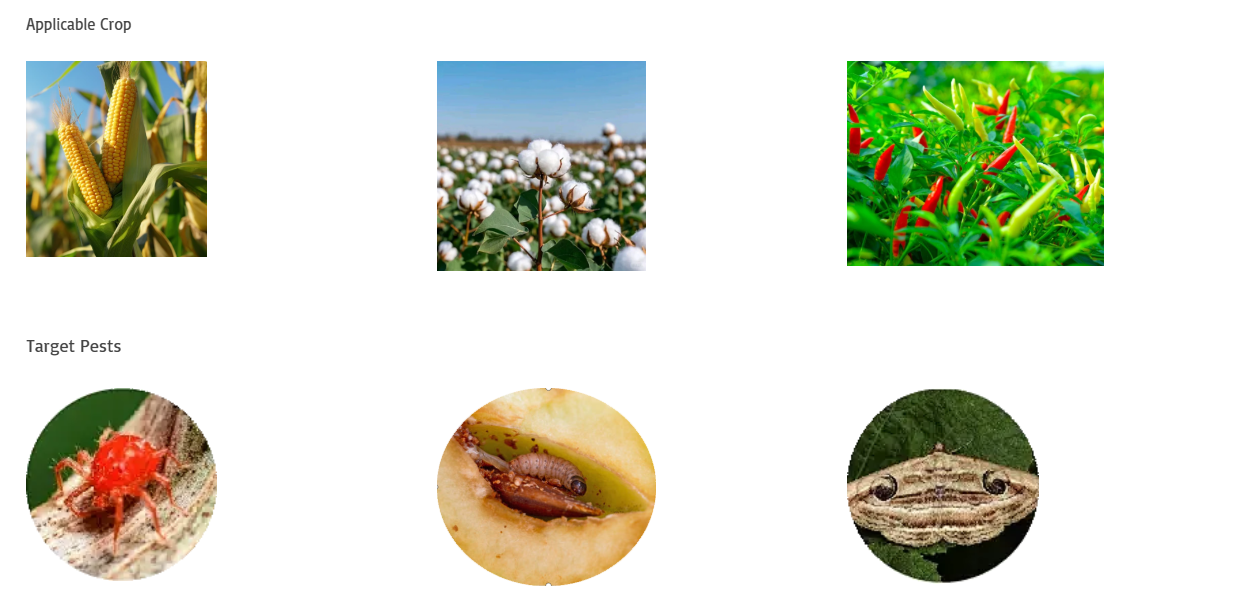
| Crop | Target Pests | Formulation | Dilution ratio | Application method | Interval |
| Cereal crops (Rice, Wheat, Maize) | Rice stem borers, planthoppers, aphids, maize borers | EC | 1:1000–1500 | Foliar spray, cover leaves and stems evenly | Every 10–14 days, 2–3 consecutive applications |
| Cotton, Cash crops (Cotton, Tobacco, Sugarcane) | Bollworms, red spider mites, aphids, whiteflies, tobacco caterpillars | EC | 1:800–1200 | Foliar spray, focus on upper and lower leaf surfaces | Every 7–10 days, avoid spraying during flowering |
| Vegetables (Cabbage, Tomato, Eggplant, Pepper, Potato) | Cabbage worms, armyworms, diamondback moths, aphids, thrips, spider mites | EC | 1:1000–1500 | Whole-plant foliar spray, ensure coverage of leaf undersides | Every 7–10 days |
| Fruit trees (Apple, Peach, Grape, Citrus) | Leafrollers, codling moths, mites | EC | 1:1000 | Foliar spray, focus around fruits | Every 10–14 days, avoid flowering period |
| Legumes & Oil crops (Soybean, Peanut, Rapeseed) | Pod borers, armyworms, aphids, leafhoppers | EC | 1:1000–1500 | Foliar spray, focus on buds, leaves, and pods | Every 7–10 days, 2–3 consecutive applications |
| Tea & Forestry (Tea, Forest trees) | Tea green leafhoppers, tea caterpillars, tea loopers, longhorn beetles | EC | 1:800–1200 | Foliar spray or high-pressure mist, cover entire plant | Every 10–14 days |